




CHANGER Trainings: Gene Editing in Research
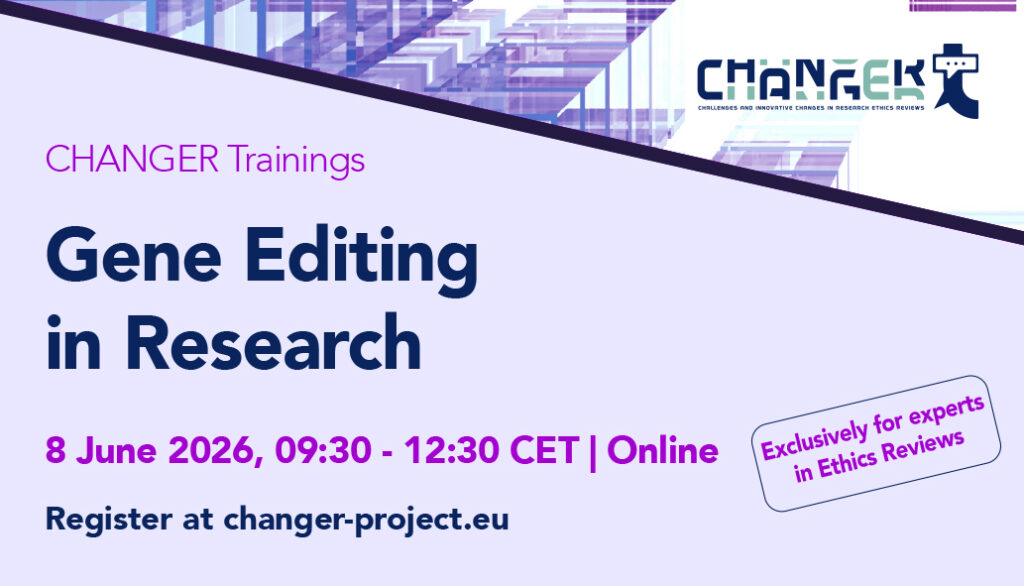
The CHANGER Project is pleased to announce its second online training session, Gene Editing in Research, taking place on 8 June 2026 from 09:30 to 12:30 CET.
Designed for experts in Ethics Reviews, this training will provide an in-depth introduction to the scientific, legal, and ethical dimensions of gene editing in research.
Participants will explore key concepts of gene editing, including somatic and germline approaches and technologies such as CRISPR, along with their potential clinical applications. The session will also examine current regulatory frameworks and highlight important ethical considerations surrounding gene editing research. Through a case study and interactive group discussions, attendees will reflect on how gene editing studies are evaluated within ethics review processes.
Agenda of the session:
| Time | Session | Content | Speaker(s) |
|---|---|---|---|
| 09:30 – 09:40 | Welcome and Introduction | Introduction to the course | — |
| 09:40 – 10:00 | General Introduction to Gene Editing | • What is gene editing • Types (somatic, germline, CRISPR) • Clinical applications | Pascal Borry |
| 10:00 – 10:30 | Legal Landscape | Global and national policies and regulations on somatic and germline gene editing | Margaux Reckelbus |
| 10:30 – 10:45 | Break | — | — |
| 10:45 – 11:30 | Ethical Landscape | • Research ethics concerns (patient recruitment, informed consent, therapeutic misconception) (30’) • Gene therapy trials from the patient perspective (15’) | Rieke van der Graaf Phaedra Locquet |
| 11:30 – 12:25 | Case Study: Mock Ethics Review | • Case presentation (10’) • Recommendations for ethics review (10’) • Group discussions (20’) • Plenary discussion (15’) | Presenter: Phaedra Locquet Moderators: Pascal Borry, Alice Cavolo, Phaedra Locquet, Margaux Reckelbus |
| 12:25 – 12:30 | Closing | Closing remarks | — |
By the end of the session, participants will be able to:
- Explain the basic concepts and main applications of gene editing technologies, including somatic and germline editing
- Understand the current legal and regulatory frameworks governing gene editing research at national and international levels
- Identify key ethical issues related to gene editing, such as informed consent, patient recruitment in clinical trials, and therapeutic misconception
- Reflect on the ethical review of research involving gene editing through the analysis of a practical case study
Register here: https://us02web.zoom.us/meeting/register/mLe7an_lQg2FiTJsvXrRGg
Kindly note: This event is exclusively for experts in Ethics Reviews and will be recorded. By registering and participating, you consent to being recorded and to having your email added to the CHANGER mailing list to receive project-related updates. Your email will not be shared with external parties and will be used solely for informational purposes related to the CHANGER project.
Meet the speakers:
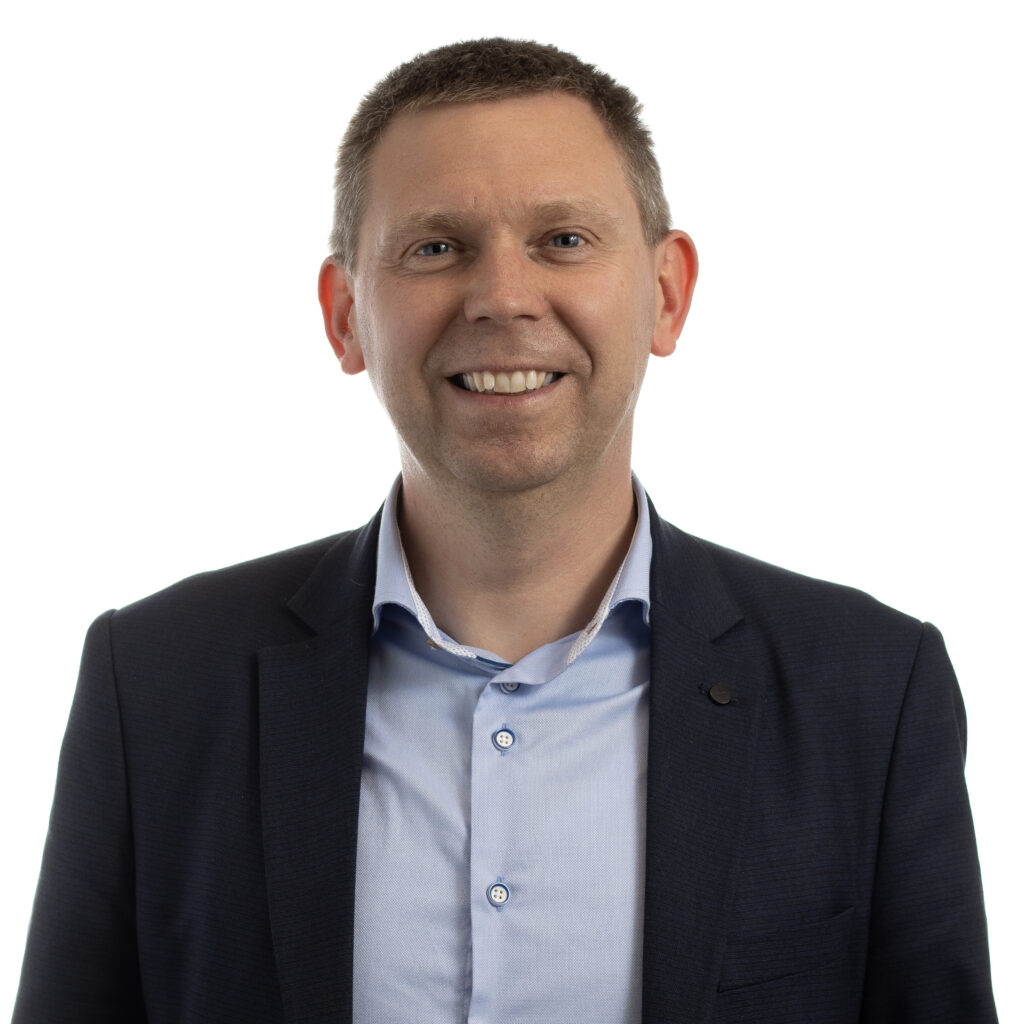
Pascal Borry is professor of bioethics at the Centre for Biomedical Ethics and Law (University of Leuven, Belgium). His main research activities are concentrated on the ethical, legal and social implications of innovative technologies. He is member of the Belgian Consultative Committee on Bioethics and member of the Research Ethics Committee of UZ/KU Leuven. He is currently chair of the WADA Independent Ethics Board. He is also chair of the Department of Public Health and Primary Care of KU Leuven since 2020.

Margaux Reckelbus is currently a Ph.D. student at the Centre for Biomedical Ethics and Law in the Department of Public Health and Primary Care at KU Leuven University in Belgium. Her research focuses on the ethical, legal, and societal challenges of gene therapy, with a particular interest in how stakeholders experience issues related to access, safety, and regulatory oversight of these innovative treatments. She holds a Bachelor’s degree in Law and a Master’s degree in Population Sciences and Development.
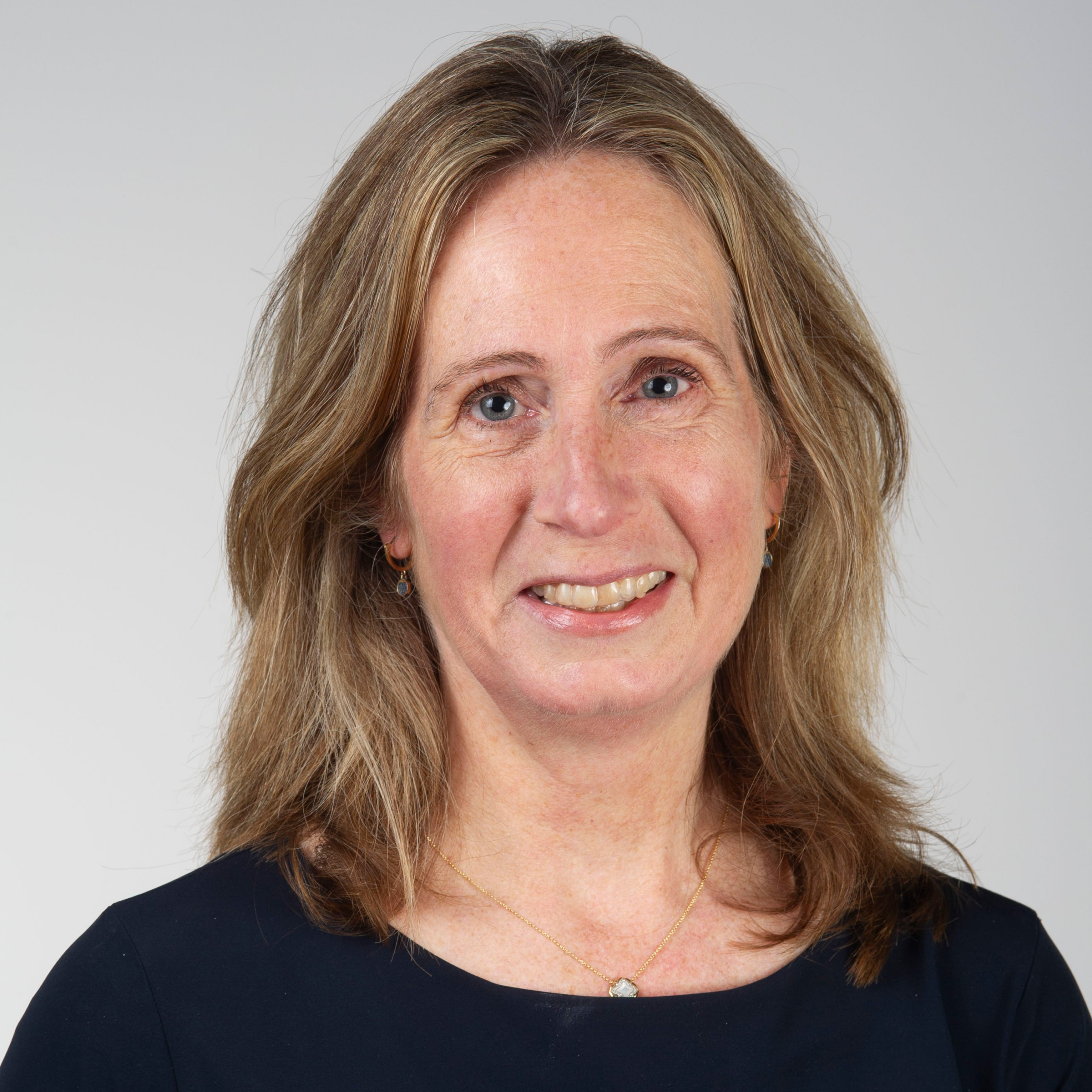
Rieke van der Graaf is Professor of Medical Research Ethics at the Julius Center, UMC Utrecht, where she leads the Bioethics and Health Humanities department. Her work centers on research ethics—particularly in relation to vulnerable populations, diversity, equity, and inclusion in research, emerging health therapies, such as gene therapy, and the ethical dimensions of innovative trial designs. She also studies research ethics in the context of global health and the climate. In addition to her academic roles, she serves as co-director of the WHO Collaborating Center for Bioethics in Utrecht. She is the scientific writer of the 2016 CIOMS International Ethical Guidelines for Health-related Research Involving Humans. She contributes her expertise to several national advisory bodies, including the Committee on Vaccinations of the Dutch Health Council and the Central Committee on Research Involving Human Subjects (CCMO). At UMC Utrecht, she is the Chair of the Hospital Ethics Committee (Commissie Medische Ethiek), and she teaches Bioethics and Research Ethics. She organises an annual Summer School on Global Health Ethics and Equity at Utrecht University.
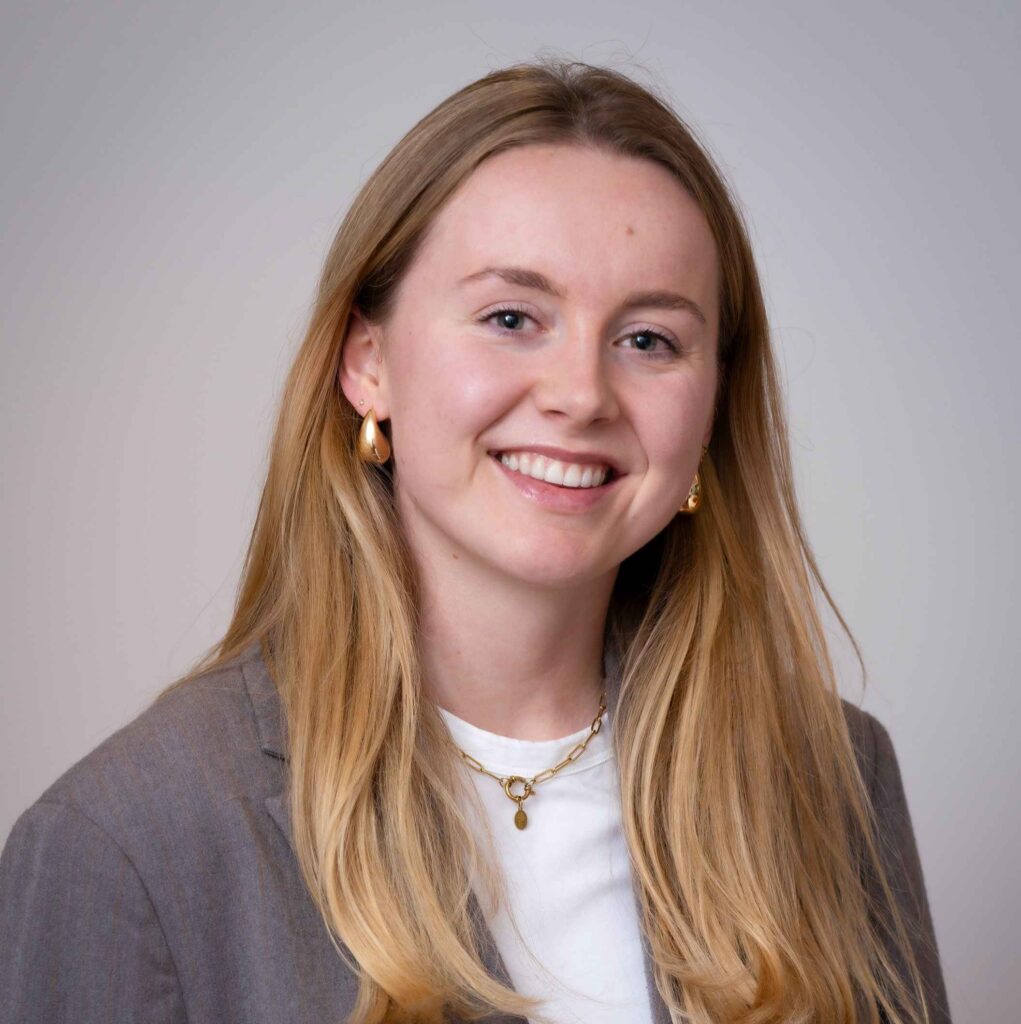
Phaedra Locquet holds a bachelor’s degree (2021) and master’s degree in Biomedical Sciences (2023) with a specialisation in Management and Communication from the Catholic University of Leuven. Currently, Phaedra has been a PhD candidate at the Centre for Clinical Pharmacology and Pharmacotherapy and the Centre for Biomedical Ethics and Law and her Ph.D. focuses on the needs and preferences of patients with Rare Arrhythmogenic Cardiomyopathy and the value of a prospective gene therapy for these patients. Specifically, her research focuses on developing a patient-centred implementation roadmap for gene therapy within Arrhythmogenic Cardiomyopathy.

Alice Cavolo is a researcher at the Centre for Biomedical Ethics and Law (CBMER) at KU Leuven where she obtained her PhD. She holds a Master in Philosophy (Universitá degli studi di Trento) and a Master in Bioethics (KU Leuven). Her research focuses on the ethical aspects of treatment decisions for extremely preterm infants.
This training continues CHANGER’s commitment to supporting expert members in addressing emerging ethical challenges in cutting-edge research fields.
Stay tuned for further updates!