




CHANGER’s third training session to explore ethical challenges of organoids in research
CHANGER Trainings: Organoids in research
The CHANGER Project is pleased to announce its third online training session, “Organoids in research,” taking place on 21 October 2026 from 14:00 to 17:00 CET.
Designed for experts in Ethics Reviews, this training will provide an introduction to the scientific, legal, and ethical dimensions of organoids and their use in research.
Participants will explore what organoids are and the main ethical issues associated with their use, as well as the relevant legal landscape. The session will then focus on specific applications, including brain organoids and stem cell-based embryo models, examining the particular ethical questions they raise. Through a case study and interactive group discussions, participants will also have the opportunity to reflect on the ethical review of research involving stem cell-based embryo models.
Agenda of the session:
| Time | Session | Content | Speaker(s) |
|---|---|---|---|
| 14:00 – 14:10 | Welcome and Introduction | Introduction to the course | — |
| 14:10 – 14:55 | General Introduction to Organoids | What are organoids and what are the main ethical issues? (25’) | Vicky Mollaki |
| Legal landscape (20’) | Adrien Bottacci | ||
| 14:55 – 15:45 | Special Cases of Organoids | Brain organoids: What are brain organoids and what are the main ethical issues? (25’) | Kris Dierickx |
| Embryo models: What are embryo models and what are the main ethical issues? (25’) | Ophelie Sauzeau | ||
| 15:45 – 16:00 | Break | — | — |
| 16:00 – 16:55 | Case Study: Use of Stem Cell-Based Embryo Models in Research | Case presentation (10’) • Presentation of recommendations (10’) • Group discussions in breakout rooms (20’) • Plenary discussion (15’) | Presenter: TBC; Moderators: Pascal Borry, Kaat Goossens, Ophelie Sauzeau, Margaux Reckelbus |
| 16:55 – 17:00 | Closing | Closing remarks | — |
By the end of the session, participants will be able to:
- Understand the basic concepts surrounding organoids and their use in research.
- Identify key ethical issues associated with organoid research.
- Gain an understanding of the legal landscape relevant to organoids.
- Recognise specific ethical considerations associated with brain organoids and stem cell-based embryo models.
- Reflect on the ethical review of research involving stem cell-based embryo models through the analysis of a practical case study.
Kindly note: This event is exclusively for experts in Ethics Reviews and will be recorded. By registering and participating, you consent to being recorded and to having your email added to the CHANGER mailing list to receive project-related updates. Your email will not be shared with external parties and will be used solely for informational purposes related to the CHANGER project.
Meet the speakers:
Vicky Mollaki studied Genetics in Cardiff University, UK, and received her MSc in Molecular and Genetic Medicine from Sheffield University, UK. She completed her doctorate in 2006 at Sheffield University, UK, in Molecular Genetics. She is a Researcher (Level C) in Research Ethics of Digital Technologies and Biotechnology at the Institute of Informatics and Telecommunications (ΙΙΤ) of the National Centre for Scientific Research “Demokritos” (NCSRD), where she coordinates the CHANGER EU-funded project developing novel methodologies for ethics reviews. Since 2016 she has been also appointed as external Ethics Expert in the European Commission, carrying out ethics evaluations for research programs. As a visiting Professor she teaches ethics-related courses at the International Hellenic University and the Open University of Cyprus.
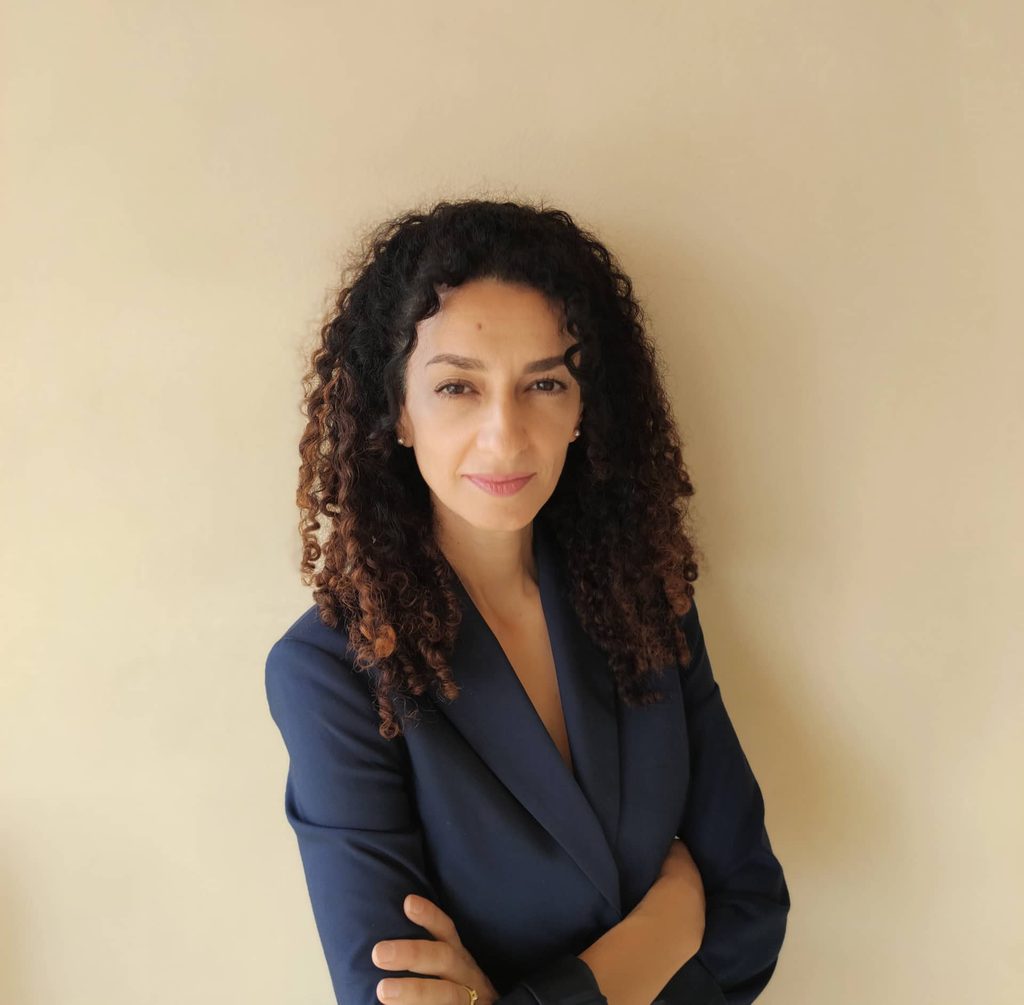
She was a Scientific Officer at the National Commission for Bioethics and Technoethics (former Hellenic National Bioethics Commission) in Greece. She was a postdoctoral research fellow at the Biomedical Research Foundation of the Academy of Athens, the University of Athens, and NCSRD, in research projects investigating the genetic basis of various human diseases. She served as a member of the National Committee for the Protection of Animals Used for Scientific Purposes in Greece (3 terms), and a member of Research Ethics Committees (REC) in Greek universities. Her research focuses on research ethics in emerging digital technologies and biotechnology, and relevant policies in research and innovation. She has published monographs, an e-book, and several articles in international and national scientific journals (http://orcid.org/0000-0002-8479-8704), and contributed in several collective books.
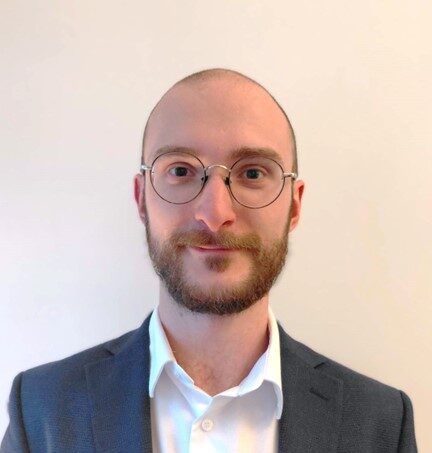
Adrien Bottacci is a PhD candidate in public law from Aix-Marseille Université, France (UMR 7268 ADES, CDSA Health Law Centre and UMR 7318 DICE CERIC International, Comparative and European Laws). His research focuses on the regulation of stem cell research and more particularly on ethically sensitive models such as neural organoids, stem cell-based embryo models and chimeras. He is part of the French ANR project “Organact” which takes an interdisciplinary approach combining sociology, anthropology and law to examine human organoids and the issues raised by their production, circulation and use.
Prof. Kris Dierickx is Full Professor of Medical Ethics at the Faculty of Medicine at KU Leuven. His research focuses on the applied and fundamental aspects of new technologies in medicine. His main research activities are concentrated on the ethical aspects of predictive medicine, financial incentives, organoids, on research ethics, and on scientific integrity. He acts as a reviewer for various journals and has published more than 200 articles in international peer reviewed journals and books.
Prof. Dierickx is involved in various national and international research projects. He was the coordinator of ‘GeneBanC’ (Genetic bio and dataBanking: Confidentiality and protection of data. Towards a European harmonisation and policy), an international research project (STREP) that was funded by the European Commission. Internationally, Kris is/has being involved in research consortia on scientific integrity (European Commission, Chinese Scholarship Council), organoids, BCI, Research Integrity, and precision medicine (PRS). He is member of the Belgian Royal Academy of Medicine, the Flemish Screening Commission, the Deontological Commission of the Superior Health Council, and he serves as an ethicist in several ethics committees. Within the university, he is a member of the Ethics Committee on Dual Use, Military Use and Abuse and the Ethics Committee for experiments with animals. Kris Dierickx also acts as a contracted reviewer in the Horizon Europe program of the European Commission. In 2001 he won the 5-yearly prize ‘Mgr A.Janssen’.
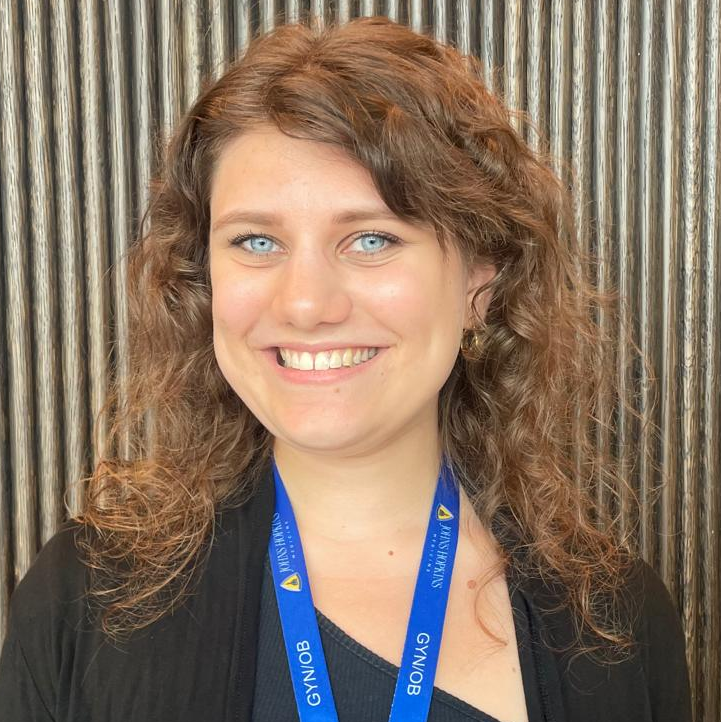
Ophélie Sauzeau is a PhD student at the Centre for Biomedical Ethics and Law (KU Leuven, Belgium), under the supervision of Professor Pascal Borry, within the Marie Skłodowska-Curie Action IMPLANTEU project funded by the European Commission. Her research focuses on the ethical aspects of stem cell-based embryo models (embryoids). She holds two Master’s degrees from Université Paris-Saclay in Reproductive and Developmental Biology and in Ethics of Scientific Research, with a specialization in the ethical challenges posed by reproductive technologies. She has studied in France, Canada, and the United States, and is a member of the PGT-A ethics group of the French Federation of Human Genetics (FFGH). She is also training to become a European Commission Ambassador for Non-Animal Methods (NAMs), promoting innovative and ethical alternatives to animal experimentation.
Pascal Borry is professor of bioethics at the Centre for Biomedical Ethics and Law (University of Leuven, Belgium). His main research activities are concentrated on the ethical, legal and social implications of innovative technologies. He is member of the Belgian Consultative Committee on Bioethics and member of the Research Ethics Committee of UZ/KU Leuven. He is currently chair of the WADA Independent Ethics Board. He is also chair of the Department of Public Health and Primary Care of KU Leuven since 2020.
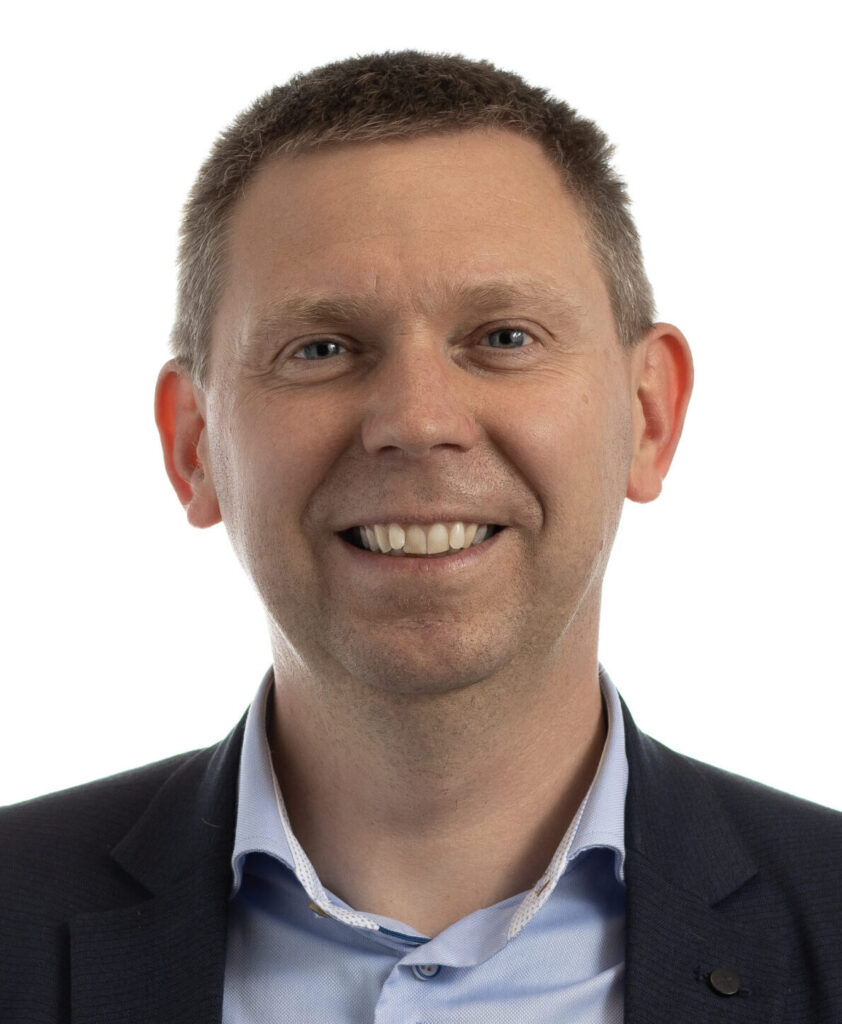

Margaux Reckelbus is currently a Ph.D. student at the Centre for Biomedical Ethics and Law in the Department of Public Health and Primary Care at KU Leuven University in Belgium. Her research focuses on the ethical, legal, and societal challenges of gene therapy, with a particular interest in how stakeholders experience issues related to access, safety, and regulatory oversight of these innovative treatments. She holds a Bachelor’s degree in Law and a Master’s degree in Population Sciences and Development.
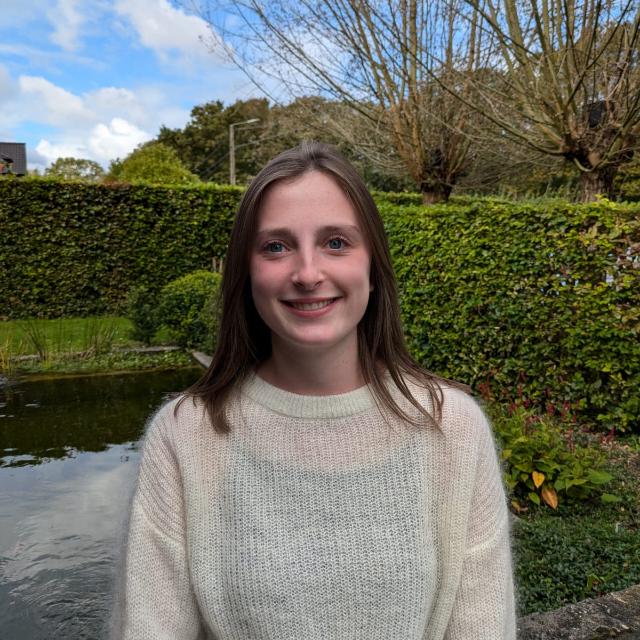
Kaatje Goossens obtained her bachelor’s degree (2022) and master’s degree (2024) in Biomedical Sciences from the Catholic University of Leuven. In October 2024, she joined the Centre for Biomedical Ethics and Law (CBMER) as a research assistant working on the AI-POD project, which focuses on developing AI-based tools to predict obesity-related vascular diseases. Her work within this project centred and centres on the ethical aspects of tool development and stakeholder perspectives. In October 2025, Kaatje was awarded a PhD Fundamental Research Mandate from the Research Foundation – Flanders (FWO), through which she conducts doctoral research on the ethical and practical aspects of post-mortem tissue donation in breast cancer.
This training continues CHANGER’s commitment to supporting expert members in addressing emerging ethical challenges in cutting-edge research fields.
For more information about CHANGER training activities, follow the project on social media and subscribe to our newsletter!